

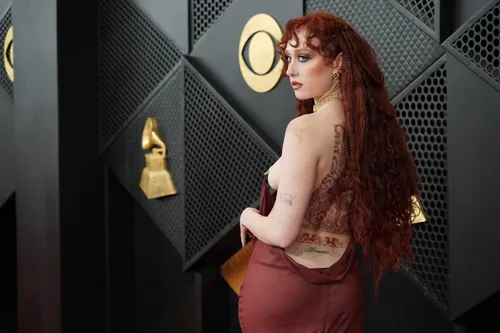
For years, the word “iconic” in fashion has come with an unspoken rulebook. Think invitation only staircases, strict themes, and guest lists that feel more like curated exhibitions than cultural gatherings. The Met Gala has long represented that formula. It is high fashion as performance art, carefully styled to match a museum concept.
But the 2026 Grammys did something different. They ignored the formula and still delivered one of the most memorable fashion nights in recent memory. The carpet was not iconic because it was the most exclusive or the most expensive. It was iconic because it felt alive. The energy was immediate. The artists understood that what they wore was not separate from their music. It was part of the performance, part of the branding, and part of the story they were telling the world.
The Grammys have always been a little less predictable than other award shows. Musicians show up dressed like themselves instead of a polished, committee approved version. In 2026, that authenticity did not just appear. It took over the entire carpet. The night felt less like a formal fashion event and more like a creative stage where artists claimed control over their own image.
And the best part is that you did not need a fashion degree to understand why it worked.
Iconic Does Not Mean Costume. It Means Owned.
There is a big difference between an outfit that is dramatic and one that is iconic. Drama can feel forced. Iconic feels natural, even when it is bold.
What made the 2026 Grammys stand out was how many looks felt owned instead of styled. The outfits were not the entire story. They were chapters within a bigger narrative. You could tell the artist came first and the fashion followed.
The question was not just who are you wearing. The real question was what are you saying.
When fashion becomes language, it becomes memorable. Iconic looks communicate confidence, reinvention, vulnerability, or power. They signal a new era or a return to form. They hint at a larger story unfolding.
That storytelling energy defined the 2026 carpet.
Pop Girl Renaissance: The Era Dressing Took Over
One of the biggest trends of the night was era dressing. Pop stars used the carpet the same way they use album covers. Every outfit felt like a teaser for what is coming next.
The Pop Princess in Her Main Character Era
One standout pop artist arrived in a shimmering, high gloss metallic gown paired with sharp, futuristic styling. The look felt straight out of a sci fi pop fantasy. Think early Lady Gaga meets the chrome aesthetic of films like Tron or The Matrix.
This was not just a dress. It was a signal. The futuristic textures and structured silhouette suggested a sonic shift toward electronic or experimental production. It was visual branding before a single note was heard.
Pop stars have always used fashion as storytelling. Madonna did it with lace and crucifixes. Britney did it with schoolgirl uniforms. Rihanna did it with sheer crystal dresses that broke the internet. In 2026, that tradition felt fully alive again.
The Soft Power Ballad Look
Another artist leaned in the opposite direction. She chose a flowing, romantic gown in a muted tone, paired with soft waves and minimal jewelry. The entire look felt like a visual equivalent of a piano ballad.
The pop culture reference was immediate. It carried the emotional softness of a Taylor Swift folklore era moment mixed with the elegance of old Hollywood icons like Grace Kelly.
This type of styling sends a clear message. It suggests vulnerability, maturity, and emotional storytelling. It tells audiences to expect depth instead of spectacle.
Rap and R&B: Fashion as Confidence, Not Just Flash
Hip hop and R&B artists brought some of the most confident looks of the night. Instead of flashy excess, many opted for clean lines, strong tailoring, and statement textures.
The Power Suit as a Cultural Statement
One rapper stepped onto the carpet in a sharply tailored suit with exaggerated shoulders and a slightly oversized fit. The look echoed the power dressing of the late eighties and early nineties, reminiscent of icons like Tupac and early Jay Z.
But the styling felt modern. The proportions were intentionally bold, signaling presence rather than conformity. It was less about looking traditionally flattering and more about taking up space.
In pop culture terms, it felt like the confidence of a Succession character combined with the swagger of a classic hip hop video. Controlled, powerful, and intentional.
The Streetwear Meets Luxury Moment
Another artist blended streetwear influences with high fashion materials. Think structured outerwear paired with layered chains and sleek footwear.
The look echoed the evolution of hip hop fashion over the last decade. Artists like A$AP Rocky and Travis Scott turned streetwear into luxury statements. By 2026, that fusion felt fully normalized on the red carpet.
This was not about shock value. It was about authenticity. The outfit felt like something the artist would actually wear, just elevated for the biggest night in music.

The Silhouette Shift: Taking Up Space Is the New Standard
One of the most noticeable trends on the carpet was a shift in proportion. For years, red carpet fashion focused on smoothing, slimming, and perfecting the body.
In 2026, the focus was on presence.
Oversized shapes, dramatic volume, and strong shoulders appeared across multiple looks. The message felt collective. Fashion is not just about looking pretty. It is about being seen.
This trend mirrors broader pop culture movements. Shows like Euphoria normalized bold self expression in fashion. Designers like Balenciaga and Rick Owens pushed exaggerated silhouettes into the mainstream. Social media trends encouraged individuality over perfection.
The Grammys carpet reflected all of that cultural momentum in one place.
Why the Grammys Felt More Influential Than the Met Gala
The Met Gala will always be fashion’s biggest spectacle. But it is also built around a single theme and a specific set of rules.
The Grammys are looser. That looseness can feel chaotic, but in 2026 it translated into influence.
The looks felt adaptable. People were not just admiring outfits. They were studying them. They were zooming in on accessories, saving screenshots, and adding elements to their own style boards.
Influence today is about adoption. It is about how quickly an idea moves from a celebrity carpet to everyday fashion. The Grammys created that ripple effect. It felt less like a museum exhibit and more like a preview of trends that people might actually wear.

Fashion as PR: Every Outfit Was a Brand Message
From a public relations perspective, the night was a masterclass.
Every artist on that carpet was communicating a brand story. Fashion revealed which lane they were in, how they were evolving, and what kind of energy they were bringing into their next era.
Some looks signaled reinvention. Others reinforced confidence or maturity. When fashion aligns with an artist’s current narrative, the impact is powerful. The outfit becomes part of the cultural memory of that moment.
Designers benefit too. An iconic red carpet moment does not just sell a garment. It sells a mood. It becomes a visual reference that lives online for years.
The Real Reason It Worked: Self Expression Was Back
There has been a growing fatigue around red carpet fashion. When outfits are designed mainly to avoid criticism, they lose energy. Everything starts to look safe.
The 2026 Grammys felt different. Artists seemed comfortable being bold without crossing into parody. They were experimental without becoming inaccessible. Glamour felt intentional instead of generic.
There was humor in some looks, softness in others, and plenty of edge throughout the night. Most importantly, everything felt connected to the person wearing it.
Nothing looked like it was trying too hard. It looked like artists dressing in alignment with who they are.
That is what iconic really means. It is not about perfection or price tags. It is about impact. It is the feeling that you are watching something that will be referenced later.

What the 2026 Grammys Tell Us About the Future of Red Carpets
If this carpet was any indication, the future of red carpet fashion is heading in a clear direction.
Personal storytelling will matter more than event themes. Artist driven styling will take priority over institutional expectations. Silhouette, texture, and detail will matter more than tradition.
We are entering a fashion cycle where individuality carries more weight than the rulebook. The most memorable moments will come from people trying to express something real rather than trying to look appropriate.
The Bottom Line: Why This Night Was Truly Iconic
The 2026 Grammys did not need a theme, a museum partnership, or a strict dress code to become a defining fashion moment. They became iconic because the looks felt alive. Artists treated fashion as part of their art instead of a formality.
If the Met Gala is fashion’s grand theater, the Grammys are fashion’s live concert. Emotional, immediate, and unforgettable.
In 2026, that difference mattered. The night did more than deliver great outfits. It reminded everyone that the most iconic fashion moments come from authenticity. When style reflects real creative identity, it resonates far beyond a single red carpet.


