

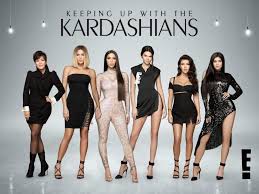

When Keeping Up with the Kardashians premiered in 2007, few could have predicted that a reality show about a wealthy family in Calabasas, California would evolve into one of the most powerful cultural forces of the 21st century. Keeping Up with the Kardashians quickly became more than just a show—it turned into a blueprint for modern celebrity, a masterclass in personal branding, and a cultural phenomenon that reshaped reality television.
Across twenty seasons and nearly fifteen years on the air, keeping up with the kardashians documented the rise of the Kardashian-Jenner family from niche Hollywood insiders to global business moguls whose influence stretches across fashion, beauty, social media, and entertainment. The story of KUWTK is not just about fame—it is about how fame itself changed in the digital age.
Keeping Up with the Kardashians: The Beginning
The series debuted on the network E! Entertainment Television in October 2007. At the center of the show was the family matriarch, Kris Jenner, whose vision for turning her family’s daily lives into compelling television would ultimately redefine the genre.
The cast of keeping up with the kardashians included her daughters Kourtney Kardashian, Kim Kardashian, and Khloé Kardashian, along with their younger half-sisters Kendall Jenner and Kylie Jenner. Their stepfather, Olympic gold medalist Caitlyn Jenner (then known publicly as Bruce Jenner), also played a major role in the early seasons.
In its earliest episodes, the show leaned heavily into the chaos of family life. Viewers watched sibling rivalries erupt, witnessed the challenges of parenting teenagers, and followed the family’s everyday misadventures. One particularly memorable storyline involved the opening of the sisters’ clothing boutique, DASH Boutique, which quickly became a recurring setting for the show’s drama and business ambitions.
At the time, reality television was already popular, but KUWTK brought something new: a combination of unscripted family dynamics, aspirational wealth, and deeply personal storytelling. The show blurred the line between celebrity and relatability in a way that felt both intimate and glamorous.
The Rise of Kim Kardashian on Keeping Up with the Kardashians
While the show initially presented itself as an ensemble family series, it quickly became clear that one cast member was emerging as a breakout star. Kim Kardashian became the focal point of much of the show’s narrative, transforming from a relatively unknown socialite into one of the most recognizable celebrities on the planet.
Her rise reflected a larger shift in how fame worked in the late 2000s. Traditional celebrity had historically been tied to achievements in film, music, or sports. But Kim Kardashian’s career demonstrated that personality, visibility, and narrative could be just as powerful as traditional talent pipelines.
KUWTK documented her expanding career—from magazine covers and fashion collaborations to red carpet appearances and global brand partnerships. Every milestone was woven into the show’s storytelling, turning real-life career moves into compelling television moments.
What made the series unique was its willingness to include both triumphs and setbacks. The audience watched relationships evolve, businesses launch, and public controversies unfold in real time. This transparency, whether carefully curated or not, became a defining element of the Kardashian brand.
Keeping Up with the Kardashians and the Kardashian-Jenner Brand
One of the most significant impacts of KUWTK was how it turned a family into a multimedia empire. Under the strategic guidance of Kris Jenner, each member of the family developed their own identity, audience, and business ventures.
Kourtney Kardashian leaned into lifestyle and wellness branding, while Khloé Kardashian built a reputation for candid humor and body positivity. Meanwhile, the younger sisters used the show as a launching pad for entirely new forms of influence.
Kendall Jenner pursued a high-fashion modeling career that placed her on runways around the world, and Kylie Jenner became a beauty industry powerhouse through the launch of her company, Kylie Cosmetics.
The family also demonstrated how reality television could function as an ongoing marketing platform. Every product launch, event appearance, and personal milestone had the potential to become both a storyline and a promotional opportunity.
In this way, KUWTK wasn’t just documenting fame—it was actively producing it.
Keeping Up with the Kardashians and Social Media Influence
Another reason the show’s impact was so significant was its timing. KUWTK premiered just as social media was beginning to reshape the entertainment industry. Platforms like Instagram and Twitter allowed celebrities to communicate directly with fans without relying on traditional media outlets.
The Kardashian-Jenner family quickly became masters of this new ecosystem.
Episodes of the show often extended into online conversations, with fans dissecting storylines and reacting to dramatic moments in real time. The family, in turn, used social media to amplify those narratives, creating a feedback loop between television and the internet.
This strategy transformed reality television into a 24-hour experience. Viewers could watch the show weekly, but they could also follow the cast members’ daily lives online, making the boundary between reality TV and real life increasingly blurred.
Today, influencer culture is everywhere—but KUWTK played a crucial role in building the blueprint.
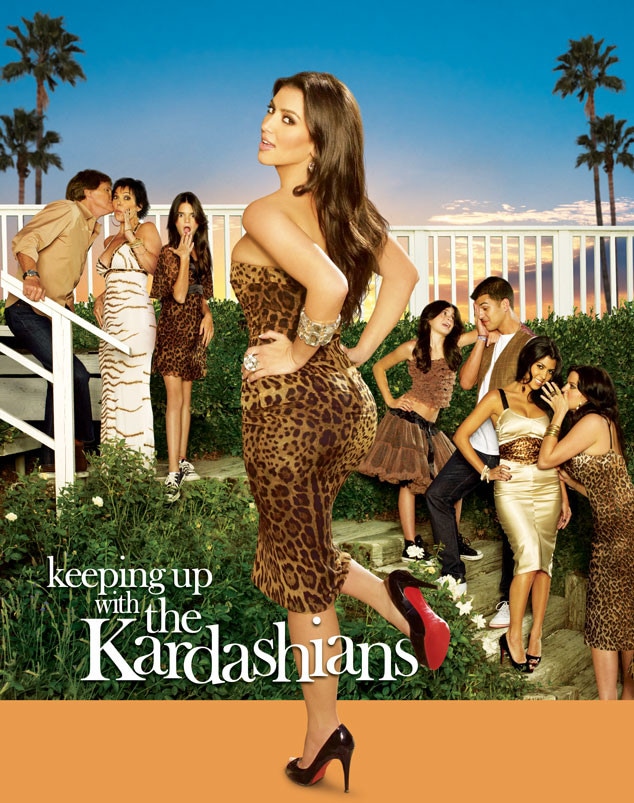
Keeping Up with the Kardashians Spin-Offs and Expansion
The success of Keeping Up with the Kardashians led to a wave of spin-off series that expanded the Kardashian-Jenner universe.
Shows like Kourtney and Kim Take New York, Kourtney and Khloé Take Miami, and Khloé & Lamar explored different aspects of the family’s lives while keeping the core narrative intact.
These spin-offs reinforced the idea that the Kardashian brand was more than a single television show—it was a sprawling entertainment franchise.
Each series added new dimensions to the family’s public identity. Viewers watched business ventures succeed or fail, relationships develop and dissolve, and family dynamics shift over time.
In many ways, the franchise functioned like a long-running serialized drama, except the characters were real people navigating real-life situations under the spotlight of global attention.
The End of Keeping Up with the Kardashians
One reason KUWTK resonated so strongly with audiences was its willingness to address deeply personal issues alongside lighter entertainment.
Over the years, the show tackled topics ranging from relationship struggles and co-parenting challenges to health scares and public scrutiny.
One of the most significant cultural moments in the series occurred when Caitlyn Jenner publicly came out as transgender in 2015. The moment marked a major shift in public conversations about gender identity and brought unprecedented visibility to transgender experiences in mainstream media.
The family’s reaction and support became part of the show’s ongoing narrative, demonstrating how reality television could intersect with broader cultural conversations.
While critics sometimes dismissed the series as superficial, moments like these revealed its ability to influence discussions far beyond entertainment.
Next Chapter
Despite its popularity, KUWTK was never without controversy. Critics frequently questioned the show’s impact on beauty standards, consumer culture, and celebrity worship.
Some argued that the series promoted unrealistic lifestyles and materialism, while others felt it represented a new form of empowerment—particularly for women who were building massive business empires in industries traditionally dominated by men.
Regardless of where people stood in the debate, one thing was clear: the Kardashian-Jenner family had become impossible to ignore.
Every hairstyle, fashion trend, and social media post had the potential to spark global conversations. In the process, the family reshaped what it meant to be famous in the digital era.
The End of KUWTK
After fourteen years on television, Keeping Up with the Kardashians aired its final episode in 2021. By that point, the show had produced twenty seasons and hundreds of episodes, making it one of the longest-running reality series in television history.
The finale felt less like a traditional ending and more like the closing of a major chapter. The Kardashian-Jenner family had grown up on camera, and viewers had watched their lives evolve in real time.
From marriages and divorces to new businesses and expanding families, the show captured a period of cultural history that coincided with the rise of social media and influencer-driven celebrity.
Even as the series concluded, it was clear that the Kardashian story was far from over.
After Keeping Up with the Kardashians
Shortly after KUWTK ended, the family returned to television with a new series, The Kardashians, which premiered on the streaming platform Hulu.
The new show embraced a more cinematic style while continuing to follow the family’s evolving careers and personal lives.
By this point, the Kardashian-Jenner empire had expanded far beyond their keeping up with the kardashians television show. Fashion lines, beauty brands, tech ventures, and global partnerships had turned the family into some of the most powerful entrepreneurs in entertainment.
Their influence now extends across industries, shaping trends in everything from cosmetics and fitness to digital marketing and online culture.
Looking back, the true impact of Keeping Up with the Kardashians is difficult to overstate.
The Lasting Legacy
The show redefined reality television, demonstrating that audiences were deeply invested in long-form storytelling built around real lives rather than scripted narratives. It also proved that reality stars could evolve into major business leaders and cultural influencers.
Perhaps most importantly, KUWTK illustrated how entertainment, branding, and social media could merge into a single ecosystem.
Today, countless influencers, creators, and reality stars operate using strategies that mirror the Kardashian-Jenner playbook—carefully blending personal storytelling with business ventures and digital engagement.
What started as a glimpse into the lives of a family in Calabasas ultimately became a global cultural phenomenon.
From viral catchphrases and headline-making relationships to billion-dollar companies and social media domination, the journey of the Kardashian-Jenner family reflects a new era of fame—one where the line between celebrity, entrepreneur, and media mogul is constantly evolving.
And it all began with a reality show that invited the world to keep up.
The Secret Lives of Mormon Wives continues to spark conversation across reality television and social media. ://www.hulu.com/series/the-secret-lives-of-mormon-wives-58cd73be-408d-4eed-8e3d-82339f3f93e2
Check Out the drama behind the scences from the ALDC here! /https://uatwitch.com/dance-moms-unfiltered-the-stories-behind-the-screams/

