

The 2010s were a defining era for film and television. It was a decade where streaming services changed how we watched entertainment, franchises dominated the box office, and television reached what many people call a “second golden age.” From massive blockbuster finales to gritty dramas and unexpected viral hits, the screen culture of the 2010s reflected a world that was increasingly connected, nostalgic, and hungry for shared entertainment moments.
Looking back now, the decade feels like a turning point. The lines between television and film blurred, the idea of “event viewing” reached new heights, and certain actors, franchises, and genres became quite reminiscent of the era. Whether you were binge-watching entire seasons in a weekend or lining up for midnight premieres, the 2010s created some of the most memorable entertainment experiences of the modern era.
Let’s take a throwback look at the movies and television shows that truly captured the spirit of the 2010s.
The Rise of Top-Tier TV
If there was one defining feature of the decade, it was the dominance of high-quality television. Shows that might once have been considered niche suddenly became cultural phenomena.
Two of the most iconic examples are Game of Thrones and Breaking Bad. While Breaking Bad began in the late 2000s, its cultural explosion happened in the early 2010s. The story of Walter White, played by Bryan Cranston, turning from mild-mannered chemistry teacher into ruthless drug lord was unlike anything viewers had seen before. The show proved that television could deliver storytelling every bit as intense and cinematic as film.
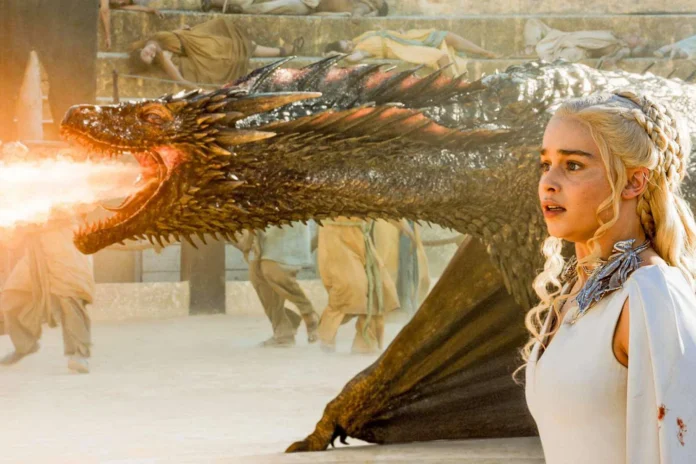
Game of Thrones, based on the books by George R. R. Martin, took television spectacle to another level. With sprawling political drama, shocking plot twists, and some of the biggest battle scenes ever filmed for TV, it became a worldwide cultural event. Sunday nights became appointment viewing for millions, and characters like Daenerys Targaryen and Jon Snow became instantly recognizable pop culture icons.
These shows helped define the binge-watching era. Instead of waiting week by week for reruns or catching episodes randomly on cable, audiences were increasingly watching entire seasons at once through streaming platforms.
And the 2010s were full of other television hits that defined the decade. Shows like Stranger Things tapped into nostalgia for the 1980s while becoming one of the biggest streaming hits ever. Meanwhile, comedies such as Brooklyn Nine‑Nine and The Good Place proved that network TV could still create beloved characters and endlessly quotable moments.
Television in the 2010s became a central part of pop culture conversation.
The Era of the Franchise
In the 2010s, the movie theatres belonged to franchises. Studios began to build massive cinematic universes that spanned multiple films and years of storytelling.
No franchise defined the decade more than the Marvel Cinematic Universe. The culmination of over a decade of interconnected storytelling arrived with Avengers: Endgame in 2019. The film was more than just a superhero movie, it was a global event. Fans who had followed characters like Iron Man and Captain America for years flooded theaters to see how the story would end.
Endgame also demonstrated the power of shared cinematic universes. Instead of standalone films, audiences were invested in long-term storytelling arcs across multiple movies. This model dominated Hollywood throughout the decade.
Other franchises thrived as well. The return of the galaxy far, far away with Star Wars: The Force Awakens in 2015 reignited one of the most beloved series in film history. Meanwhile, the wizarding world expanded with the Fantastic Beasts series, and the Jurassic Park/World franchise roared back to life.
The popularity of franchises reflected something about the 2010s cultural landscape: people wanted large-scale stories that brought them together. Midnight premieres, fan theories, and online debates became key parts of the experience.
Blockbusters With Big Ideas
While franchises dominated, the decade also produced ambitious films that balanced spectacle with deeper themes.
One of the most talked-about films of the decade was Interstellar, directed by Christopher Nolan. With its stunning visuals, emotional story about time and family, and mind-bending exploration of space travel, the film captured the era’s fascination with science fiction and the unknown.
Another groundbreaking film was Parasite from director Bong Joon‑ho. The film made history when it became the first non-English language movie to win Best Picture at the Academy Awards. Blending dark comedy, thriller elements, and social commentary, Parasite showed that international cinema could break into the mainstream in ways that hadn’t happened before.
These films represented a growing appetite for stories that were both entertaining and thought-provoking. Growing tired of the comedies that marked the 2000s, the 2010s audience yearned for films that sparked deep conversation
Horror’s Unexpected Comeback
One of the biggest genre shifts of the decade was the resurgence of horror. In the 2000s, horror films often leaned heavily on jump scares or torture-based plots. But the 2010s saw the rise of “elevated horror”, films that combined scares with deeper themes and artistic storytelling.
Movies like Get Out from director Jordan Peele used horror to explore social issues like race and identity. The film became both a critical and commercial hit, proving that horror could be smart, thought-provoking, and wildly entertaining.
Similarly, films like Hereditary and The Conjuring demonstrated the genre’s versatility, from psychological dread to supernatural scares.
Horror became one of the most creative spaces in filmmaking during the 2010s, attracting talented directors and extremely passionate audiences.
Streaming Changes Everything
Another defining shift of the decade was the rise of streaming platforms. Services like Netflix, HBO, and Amazon fundamentally changed how people watched movies and TV.
Instead of waiting for scheduled broadcasts, viewers could watch entire seasons whenever they wanted. The term “binge-watching” became a common part of everyday language.
Streaming also allowed for more experimental storytelling. Shows that might not have survived traditional ratings pressure could find loyal audiences online. It also made international content more accessible, helping films like Parasite and various global series gain worldwide attention.
By the end of the decade, streaming had reshaped the entertainment industry.
Actors Who Defined the 2010s
Just as certain shows and movies defined the decade, so did a new generation of actors.
Jennifer Lawrence became one of the biggest stars in Hollywood thanks to her role as Katniss Everdeen in The Hunger Games series. Her performances helped anchor one of the most influential young-adult franchises of the decade.
Meanwhile, actors like Chris Evans and Robert Downey Jr. became synonymous with the superhero boom thanks to their roles in the Marvel universe.
Television also launched major stars. Emilia Clarke rose to international fame through Game of Thrones, while Millie Bobby Brown became a breakout star through Stranger Things.
These performers weren’t just actors, they became symbols of the era’s biggest stories.
The Power of Shared Cultural Moments
Perhaps the most defining aspect of 2010s entertainment was the idea of shared cultural moments.
When the final episode of Game of Thrones aired, social media exploded with reactions. When Avengers: Endgame premiered, theaters were filled with cheering audiences reacting to major plot moments.
For a few hours, millions of people were experiencing the same stories at the same time.
Even comedies and reality shows contributed to these moments. Catchphrases, memes, and viral scenes spread across the internet, turning TV episodes into instant pop culture artifacts.
Why the 2010s Still Feel So Recent
Looking back, the movies and TV shows of the 2010s still feel incredibly present in our cultural memory. Part of that is because streaming keeps them constantly accessible. But it’s also because the decade created stories that resonated deeply with audiences.
The 2010s were about big emotions, big worlds, and big fandoms. Whether it was the final battle in Avengers: Endgame, the shocking twists of Breaking Bad, or the dragons soaring across the skies of Game of Thrones, the decade delivered unforgettable entertainment.
At the same time, it opened the door for new types of storytelling—from international cinema breakthroughs to streaming-first television hits.
The Legacy of 2010s Film and Television
As we move further into the 2020s, the influence of the 2010s is still everywhere.
Franchise storytelling remains the backbone of Hollywood. Streaming platforms continue to dominate television. And audiences still crave the kind of shared cultural moments that defined the decade.
But more than anything, the 2010s reminded us why we love movies and TV in the first place: they bring us together. They give us characters to root for, stories to debate, and moments we’ll never forget.
From dragons and superheroes to space explorers and social satire, the screen culture of the 2010s captured the imagination of an entire generation.
And honestly? We’re probably still quoting those shows and rewatching those movies for years to come.