

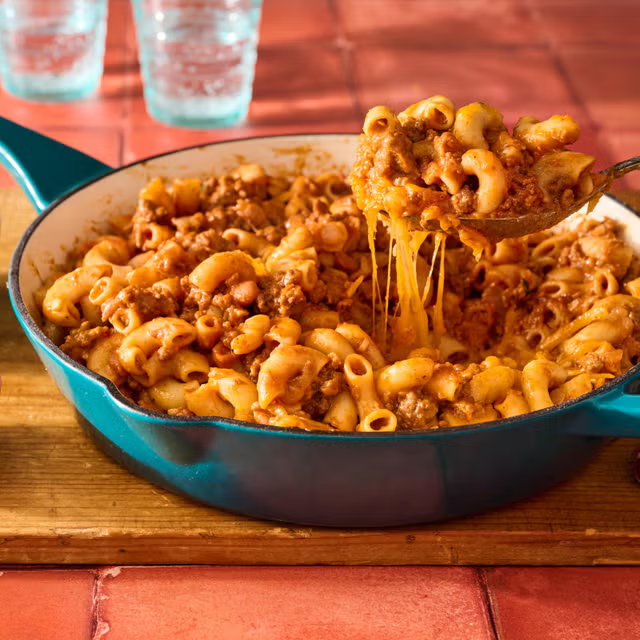

There’s a reason certain foods feel like a warm hug. Whether it’s a bowl of mac and cheese, a slice of chocolate cake, or your favorite takeout after a long day, comfort foods have a powerful emotional pull. They don’t just satisfy hunger—they soothe, calm, and connect us to something deeper. But why do we reach for these foods when we’re stressed, sad, or even nostalgic? The answer lies in psychology, memory, and the way our brains are wired.
Comfort food is more than just indulgence—it’s a reflection of our emotions, experiences, and even our identities.
What Exactly Is “Comfort Food”?
Comfort food is often defined as food that provides a sense of emotional well-being or nostalgia. These are typically meals that are rich, familiar, and tied to positive memories. However, comfort food isn’t one-size-fits-all. What feels comforting to one person might not have the same effect on someone else.
For some, comfort food might be homemade dishes like mashed potatoes or chicken soup. For others, it could be fast food, sweets, or even something as simple as a warm cup of tea. The key element is emotional connection. Comfort foods are deeply personal, shaped by upbringing, culture, and life experiences.
The Role of Nostalgia in Comfort Eating
One of the biggest psychological drivers behind comfort food is nostalgia. When we eat something that reminds us of our childhood or a specific happy moment, our brain essentially “relives” that experience.
Think about it: maybe your favorite comfort meal is something your family used to make when you were younger. When you eat it now, it’s not just about the taste—it’s about the memories attached to it. You might remember sitting around the dinner table, feeling safe, cared for, and happy.
This happens because of how memory works in the brain. The hippocampus, which plays a major role in memory, interacts with sensory experiences like taste and smell. That’s why certain foods can instantly transport you back in time. In moments of stress or loneliness, your brain naturally seeks out those familiar, comforting associations.
Food and Emotional Regulation
Comfort food also plays a role in emotional regulation—the ability to manage and respond to emotional experiences. When we’re feeling overwhelmed, anxious, or sad, we often look for ways to self-soothe. Food is one of the easiest and most accessible ways to do that.
Eating certain foods, especially those high in sugar, fat, or carbohydrates, can trigger the release of dopamine. Dopamine is a neurotransmitter associated with pleasure and reward. This creates a temporary “feel good” effect, which is why reaching for comfort food can feel like an instant mood boost.
However, this is where things get complicated. While comfort food can provide short-term relief, it doesn’t necessarily address the underlying emotion. This is why some people may find themselves stuck in cycles of emotional eating—using food as a coping mechanism rather than dealing with the root cause of their feelings.
Stress, Cortisol, and Cravings
Stress plays a huge role in our food choices. When we’re stressed, our bodies release a hormone called cortisol. High levels of cortisol can increase appetite and cravings, particularly for high-calorie, “comfort” foods.
From an evolutionary standpoint, this makes sense. Our bodies are wired to seek energy-dense foods during times of stress as a survival mechanism. In modern life, though, this often translates to craving things like pizza, fries, or desserts after a tough day.
Interestingly, research shows that people don’t just eat more when they’re stressed—they eat differently. They’re more likely to choose foods that are indulgent and familiar rather than nutritious or balanced. Comfort food becomes a quick fix, a way to regain a sense of control or pleasure in an otherwise stressful situation.
The Social Connection Behind Comfort Foods
Comfort food isn’t just about individual emotions—it’s also deeply tied to social connection. Many of our strongest food memories involve other people: family dinners, holidays, celebrations, or even late-night meals with friends.
Because of this, comfort food can act as a substitute for social connection. When we feel lonely or disconnected, eating foods associated with positive social experiences can help fill that emotional gap, even if only temporarily.
For example, someone who associates soup with being cared for when they were sick as a child might crave it when they’re feeling down as an adult. It’s not just about the food—it’s about recreating the feeling of being nurtured.
Culture and Identity in Comfort Eating
Comfort food is also shaped by culture and identity. What one person considers comforting often reflects their cultural background and personal experiences.
For instance, someone raised in the South might find comfort in dishes like fried chicken or biscuits, while someone from another part of the world might turn to rice dishes, noodles, or stews. These foods aren’t just meals—they’re tied to tradition, heritage, and a sense of belonging.
This cultural aspect adds another layer to the psychology of comfort food. It becomes a way of staying connected to your roots, especially in times of change or uncertainty.
Why We Crave Comfort Food Even When We’re Happy
While comfort food is often associated with negative emotions, it’s not just something we turn to when we’re sad or stressed. People also crave comfort food when they’re happy, celebrating, or rewarding themselves.
This is because comfort food is linked to the brain’s reward system. Over time, we learn to associate certain foods with positive experiences—birthdays, holidays, achievements—and we continue that pattern into adulthood.
In this way, comfort food becomes part of our emotional language. We use it to celebrate, cope, and connect, making it a constant presence in both our highs and lows.
Is Comfort Food Always a Bad Thing?

There’s a common narrative that comfort food is unhealthy or something to avoid, but that’s not entirely true. Comfort food, in moderation, can actually be a healthy part of emotional well-being.
Food is meant to be enjoyed. It’s one of life’s simplest pleasures, and there’s nothing inherently wrong with turning to familiar, satisfying meals when you need a boost. The key is awareness—understanding why you’re reaching for certain foods and making sure it’s not your only coping mechanism.
Problems can arise when comfort eating becomes the primary way of dealing with emotions. If food is consistently used to avoid or suppress feelings, it can lead to unhealthy habits and a disconnect from your body’s natural hunger and fullness cues.
Finding Balance: Healthy Ways to Approach Comfort Food
Understanding the psychology behind comfort food can help you develop a healthier relationship with it. Instead of labeling foods as “good” or “bad,” it’s more helpful to focus on balance and intention.
One approach is mindful eating—paying attention to what you’re eating, how it makes you feel, and why you’re choosing it. Are you actually hungry, or are you looking for comfort? Neither answer is wrong, but being aware of it can help you make more intentional choices.
You can also expand your definition of comfort. While traditional comfort foods are often indulgent, comfort can come from other sources too—like a warm, nourishing meal, a cup of tea, or even the act of cooking itself. Sometimes, the process of preparing food can be just as soothing as eating it.
Another helpful strategy is building other coping mechanisms alongside comfort eating. This might include talking to a friend, going for a walk, journaling, or engaging in a hobby. The goal isn’t to eliminate comfort food, but to create a more balanced emotional toolkit.
The Deeper Meaning Behind Comfort Foods
At its core, comfort food is about more than taste—it’s about emotion, memory, and connection. It reflects our need for security, familiarity, and joy in a world that can often feel overwhelming.
When you find yourself reaching for your favorite comfort meal, it’s worth taking a moment to ask why. Are you seeking relief from stress? Trying to reconnect with a memory? Celebrating something good? Understanding the “why” doesn’t take away the comfort—it deepens it.
Comfort food isn’t just something we eat. It’s something we feel.
Final Thoughts
The psychology of comfort food reveals just how closely our emotions and eating habits are intertwined. From nostalgia and stress to culture and connection, the foods we crave often tell a story about who we are and what we need.
Rather than viewing comfort food as something to avoid, it can be more helpful to see it as a tool—one that, when used mindfully, can bring genuine comfort and joy. The key is balance: allowing yourself to enjoy those foods while also understanding the emotions behind them.
Because sometimes, what we’re really craving isn’t just food—it’s comfort, connection, and a sense of home.
To learn more about food and drink, check this blog post!
To learn more about comfort food and the psychology behind it, check out these two links!
https://pmc.ncbi.nlm.nih.gov/articles/PMC12297910
https://www.anfponline.org/docs/default-source/legacy-docs/docs/ce-articles/nc012024.pdf

